
Executive Summary
In the dynamic landscape of cybersecurity threats, the recent ransomware attack targeting multiple healthcare organizations underscores the sector's vulnerability. This blog post provides a detailed examination of the attack, its mechanisms, and implications, while offering actionable guidance for enhanced security measures.
Technical Breakdown
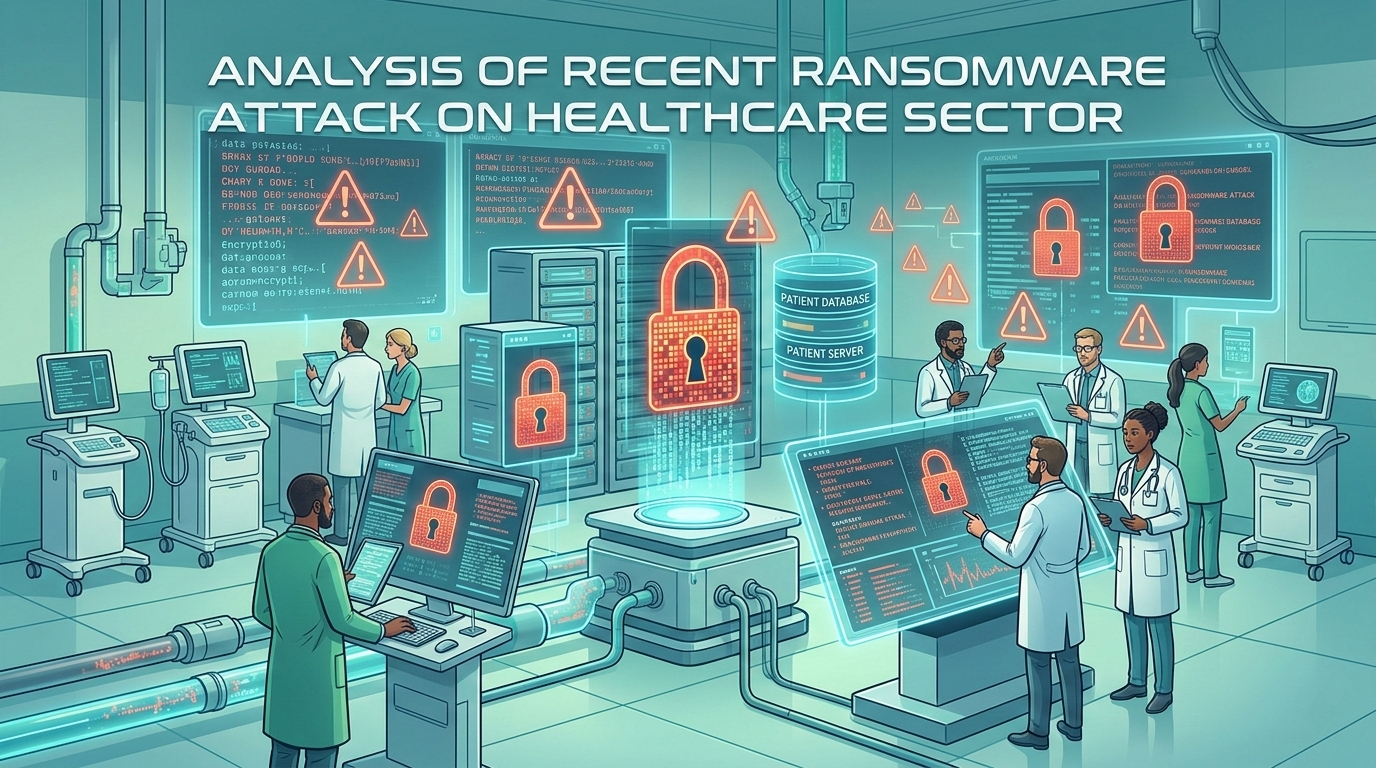
The ransomware utilized in this incident is believed to have been deployed through a phishing campaign aimed at healthcare staff. Once executed, the ransomware encrypted critical data, rendering it inaccessible to healthcare providers during a crucial operational period.
1. Delivery Mechanism: The attack was initiated via spear-phishing emails, leading to the deployment of the ransomware. Typical indicators include unexpected attachments or links that, when clicked, execute the malicious payload.
2. Encryption Methods: The ransomware employed asymmetric encryption, ensuring that files with various extensions were targeted. This advanced cryptographic technique prevents unauthorized decryption without the correct key, which is typically held by the attackers.
3. Command and Control Communication: Post-deployment, the ransomware established a secure connection with the attacker’s command and control (C&C) servers, facilitating the transmission of data and further instructions.
Impact Assessment
The implications of this ransomware attack extend beyond immediate operational disruptions. Key areas of impact include:
1. Operational Disruption: Patient care was severely affected as access to critical data was lost, leading to delays in treatment and potential risks to patient safety.
2. Financial Costs: Organizations may face significant financial losses, both in terms of ransom payments and the subsequent mitigation and recovery efforts.
3. Reputational Damage: Trust is paramount in healthcare; breaches can lead to long-term reputational harm that can affect patient confidence and organizational integrity.
Mitigation Recommendations
To enhance security posture and prevent future incidents, healthcare organizations should consider implementing the following measures:
1. Employee Training: Conduct regular cybersecurity awareness training, focusing on identifying phishing attempts and the importance of secure practices when handling sensitive data.
2. Endpoint Protection: Deploy advanced endpoint detection and response (EDR) solutions to identify suspicious activities and mitigate potential threats in real-time.
3. Regular Backups: Ensure that critical data is backed up regularly and stored offline, which can provide a recovery option without engaging with attackers.
4. Incident Response Plan: Develop and maintain a comprehensive incident response plan that includes defined roles and responsibilities during a cyber incident, ensuring swift action can be taken.
Conclusion
The recent ransomware attack on healthcare organizations serves as a stark reminder of the ongoing threats faced within this sector. As cyber adversaries continue to evolve their tactics, it is imperative for organizations to bolster their defenses through employee training, technological investments, and robust incident response protocols. The protection of sensitive patient data and system integrity must be prioritized to maintain trust in healthcare services.